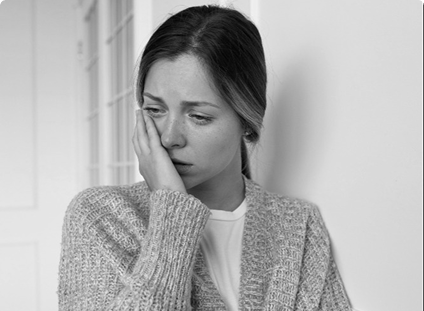
Anxiety and phobic disorders are mental health conditions characterized by excessive fear, worry, or nervousness that is difficult to control. Phobias involve intense fear of specific objects or situations, while anxiety disorders cause ongoing worry even without a clear threat. These conditions can significantly affect daily life if left untreated.
2. What are the common symptoms of Anxiety and Phobic Disorders?
Common symptoms include constant worry, restlessness, rapid heartbeat, sweating, shortness of breath, dizziness, and sleep problems. People with phobias may avoid certain places, objects, or situations due to overwhelming fear. These symptoms can worsen over time and interfere with personal, social, and professional life.
3. How does a psychiatrist help in treating Anxiety and Phobic Disorders?
A psychiatrist provides a structured treatment plan based on the patient’s symptoms and severity. Treatment often includes medication to reduce anxiety along with psychotherapy to help patients understand triggers and gradually face their fears. With proper guidance, most patients learn effective coping strategies and regain control over their lives.
4. When should someone seek psychiatric help for Anxiety or Phobic Disorders?
Psychiatric help should be considered when fear or anxiety becomes persistent, excessive, or starts limiting everyday activities. Early intervention helps prevent complications and leads to faster recovery, improved confidence, and better emotional well-being.