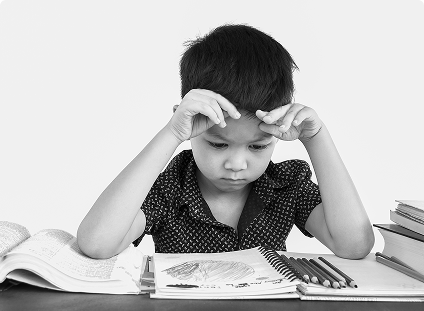
1. What are Child & Adolescent Mental Health Conditions?
Child and adolescent mental health conditions refer to emotional, behavioral, and developmental issues that affect children and teenagers. These conditions can impact learning, behavior, relationships, and overall development. Early identification and proper care play a crucial role in a child’s long-term mental and emotional well-being.
2. What are the common signs and symptoms in children and adolescents?
Symptoms may include persistent sadness, irritability, anxiety, behavioral problems, difficulty concentrating, changes in sleep or appetite, and social withdrawal. Younger children may show symptoms through tantrums or school refusal, while adolescents may experience mood changes, academic decline, or risk-taking behaviors.
3. How does a psychiatrist help children and adolescents?
A psychiatrist provides age-appropriate assessment, diagnosis, and treatment tailored to the child’s developmental stage. Treatment may include counseling, behavior therapy, parental guidance, and medication when necessary. Working closely with families helps create a supportive environment for recovery and healthy development.
4. When should parents seek professional mental health support?
Parents should seek help if emotional or behavioral changes persist, worsen, or interfere with daily functioning at home or school. Early psychiatric support helps children build resilience, improve emotional regulation, and achieve better academic and social outcomes.