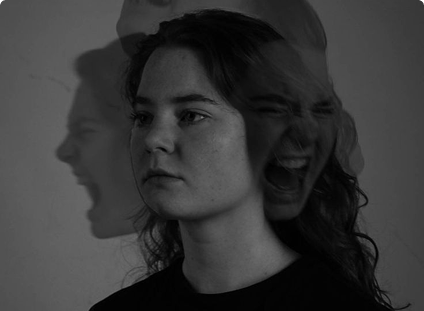
Personality disorders are mental health conditions characterized by long-standing patterns of thinking, feeling, and behavior that differ significantly from cultural expectations. These patterns can affect relationships, emotional regulation, decision-making, and overall quality of life.
2. What are the common signs and symptoms of personality disorders?
Symptoms may include unstable relationships, difficulty managing emotions, impulsive behavior, rigid thinking patterns, low self-esteem, and problems trusting others. These traits often begin in early adulthood and persist across different life situations.
3. How does a psychiatrist help in treating personality disorders?
A psychiatrist carefully assesses personality traits, life experiences, and emotional patterns to make an accurate diagnosis. Treatment usually involves psychotherapy to improve self-awareness, emotional control, and interpersonal skills, along with medication when needed to manage specific symptoms.
4. When should someone seek psychiatric help for personality disorders?
Psychiatric support should be sought when personality-related difficulties cause distress, repeated conflicts, or impairment in work, relationships, or daily functioning. With proper treatment, individuals can develop healthier coping strategies and experience meaningful improvements in their lives.